About this blog

Why this blog?

Think about what it’s like visiting a pet adoption center. There’s the excitement you feel as you view the available cats and try to choose the one you’ll be taking home with you. So many to choose from! More often than not, you’ll glance at that strikingly handsome one who watches you curiously from behind the cat tree, but won’t come to you, even when you hold out a treat. Chances are, he’s a shy cat. Too shy, you think. But the truth is, that shy guy may need you much more than the one who boldly marches up to you to sniff your hand or jump into your lap.
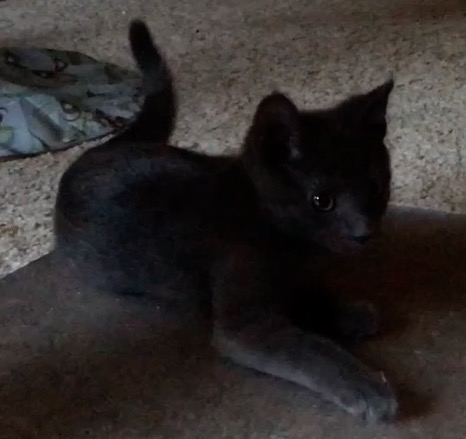
Our shy little Talia was found as a singe stray kitten on the property of a garden center.
Our shy little Talia. Not so much a lap cat as a full frontal recliner.

I have had cats in my home for well over 40 years. There have been boisterous cats, quiet cats, talkative cats, bossy cats, and, yes, shy cats in my life. I’ve had successful, loving relationships with cats who started out so shy that I didn’t hardly see them for the first few weeks (or, in one case, months). With our patience and understanding, they grew very attached to me and my family, and some even attained the coveted gold standard for many cat owners–they became lap cats .

I volunteer at an animal shelter, where we take in mostly stray and abandoned pets, and it pains me to see the shyer of these cats overlooked by adopters time and time again. The shy guys are often passed over by well-meaning adopters who desire to rescue a cat who needs a home, but at the same time expect to take home a lap cat who showers them with affection right away. Pet lovers feel an immediate connection with the outgoing ones, the ones who seem to choose them, and this is totally understandable. But many sweet shelter cats, in my experience, won’t climb into your lap within minutes, or even hours, of your first meeting. Keep in mind that a number of them have been on the streets, neglected, or abused, and they are going to need some space and time to learn to trust people (you). In time, you’ll develop that connection that seemed lacking upon your first meeting.
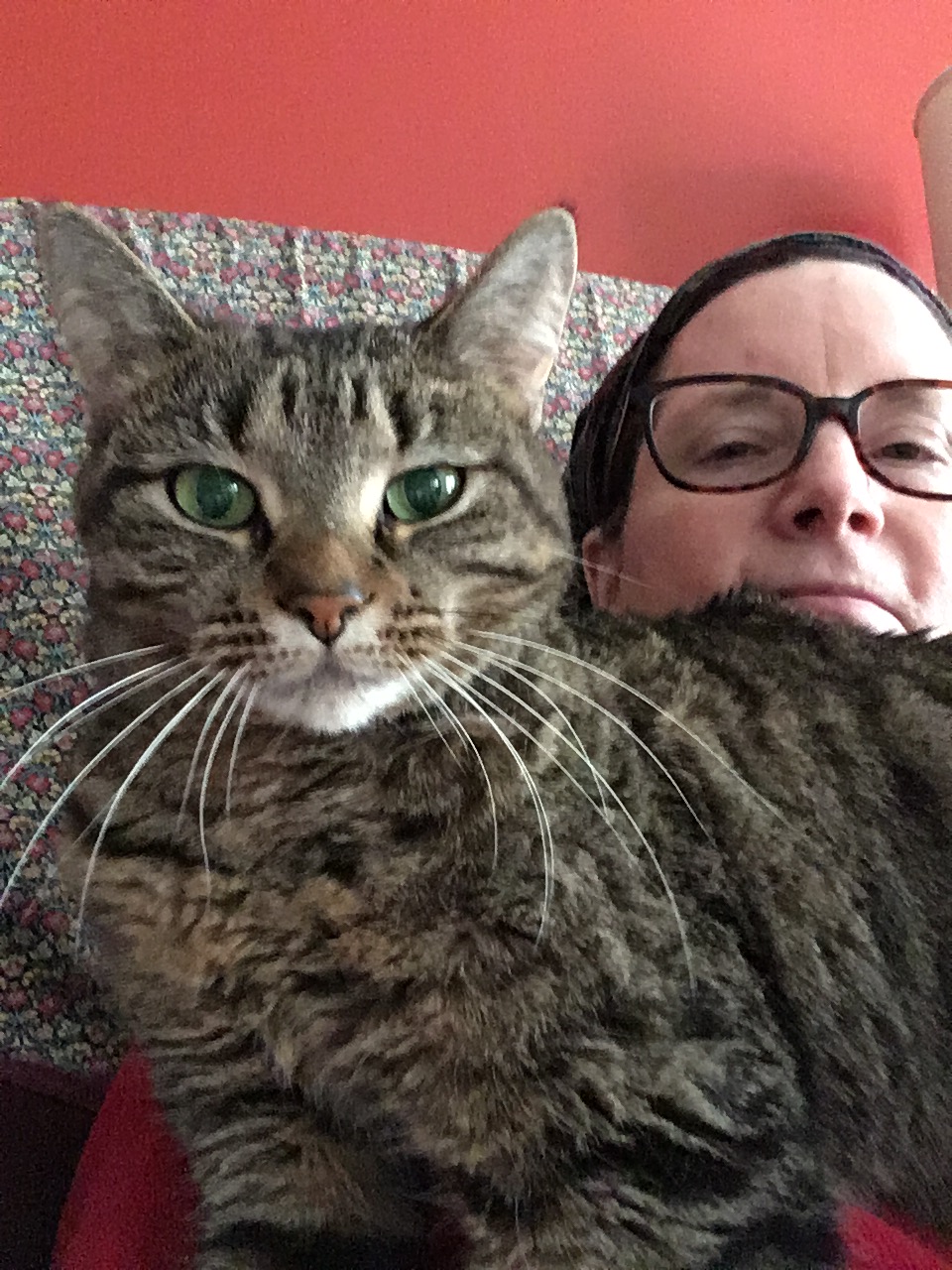
Tippi came into our home shy, depressed, and angry all at once.
Tippi came to us as a shy girl, cleverly disguised as an angry and resentful girl.


There are good reasons to adjust your expectations about your next feline companion and to consider adopting a shyer cat (or two). This blog is my attempt to convince you that having shy cats in your life can be a meaningful and rewarding experience. And once you’ve brought one home, I’ll show you how to bring her around in ways that will enrich both of you beyond your wildest tamest expectations.
Why so shy?

Why So Shy?

Phillip, adopted and no longer shy.

The following comes from “Helping a Fearful Cat,” an article written by Pam Johnson-Bennet, author of numerous books on cat behavior and founder of Cat Behavior Associates in Nashville, Tennessee (and a million other things). Be sure to check out the article, which has many terrific ideas for helping your kitty. Actually, her books and the entire website look pretty amazing. If you’ve read any of them, please share in the comments!

A list of reasons your cat may have become shy:

  • Lack of socialization as a kitten
  • Being the target of aggression by other animals
  • Pain and illness
  • Being the target of abuse
  • Stressful living conditions (too many cats, dirty conditions, tense family environment, etc.)
  • A move to an unfamiliar environment (new home, being relinquished to shelter, being rehomed, etc.)
  • Change in family (new owner, death, divorce, new baby, etc.)
  • Excessive ongoing noise

Excerpted from “Helping a Fearful Cat,” an excellent article that goes into how to help a shy cat get acclimated on https://www.catbehaviorassociates.com

Caring for Your Shy Cat

A 5-Stage Plan for (Finally) Petting a Shy Cat

Party!

Imagine you’ve been forced to attend a party where you don’t know anyone, you don’t know the language that everyone’s speaking, the music they’re playing is unfamiliar, the food is unremarkable, and the whole place just smells funny.

Now imagine that these people you’ve just met keep coming up to you and trying to pat you on the head. You flinch every time. Geez, you barely know these people! You duck away, looking for a place to hide until they stop reaching for you.

This is how your new shy cat feels in your unfamiliar home. What cat in its right mind would want to be petted under those circumstances?!?

A cat needs to feel in control, comfortable, and secure before they will allow themselves to be touched. (Me too, right?) Here’s what you can do to help your shy cat achieve these goals and thus become more pettable.

  1. Choose a quiet time when your kitty seems relaxed.
  2. Try approaching them sideways. I mean, don’t face your shy cat straight on but sidle up to them slowly with your hand outstretched. Coming at them full frontal can make them think you’re about to grab them. Avoid staring into their eyes–look at them, but then look down. Be silent or speak softly.hand
  3. Hold out your hand, palm up, making sure they see your hand before slowly moving it toward them. Avoid coming at any cat overhanded, with your hand above their head—instead, bring it in under their chin, stopping about one or two inches away. (Pro tip: Before you try this, make sure your hands don’t smell of citrus or some other smell cats hate.)
  4. If they haven’t run away yet, let your kitty sniff your fingers. Keep your hand there until they’ve completed their inspection. (Pro tip 2: Pay attention to what your other hand is doing–because you can be sure your shy cat is. Make sure it’s not moving or doing something else that might seem … well, underhanded, i.e., threatening!) Then continue to keep your hand there and, wait. If you passed their sniff test, they may push their cheek against your hand. This is your invitation to pet your cat–a little. Congratulations! You won over your shy cat!
  5. If this doesn’t play out as desired, don’t despair. Try again later, maybe with a couple yummy-smelling treats in your hand next time as bait.

Be patient and keep trying. Your kitty just needs some time to feel at home at this strange party you’ve brought them to. Let them say when.

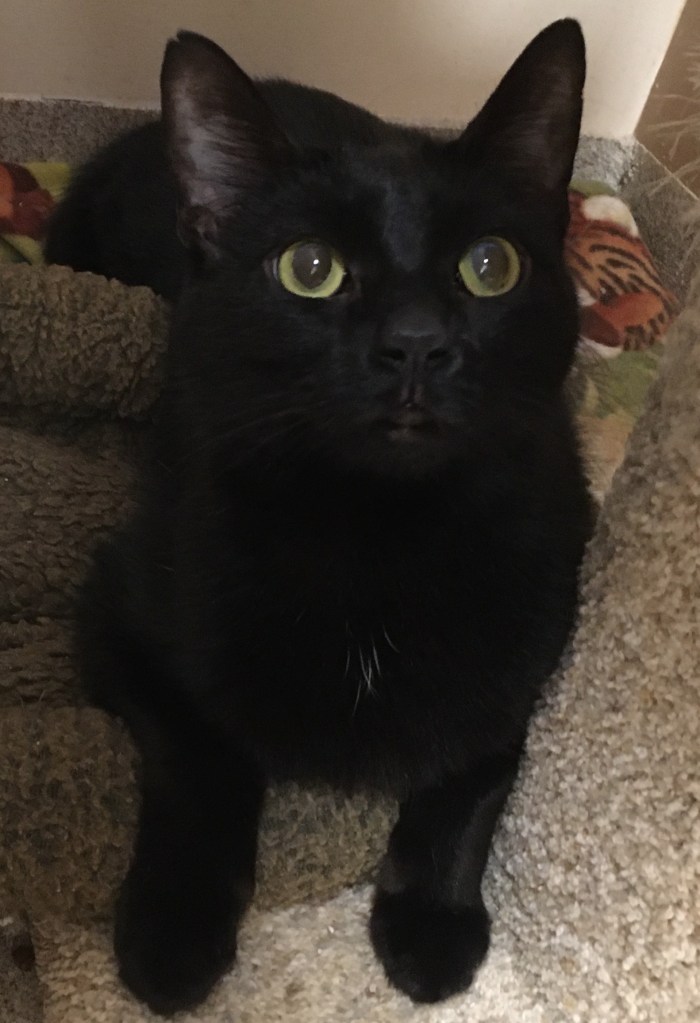
Shy cat Rudy
Shy cat Rudy was found as a semi-feral stray. He took months to finally begin to trust people at the shelter. He’s still skittish, but at least he doesn’t hide anymore. #cutie
Adopting a Shy Cat

Your Cat Chooses You?

Your Cat Chooses You?

Some people rely on the old saying, “Your pet chooses you.” While this can be the case, it’s a devastating notion when it comes to shy cats. A shy cat may fall in love with you from a distance, but be too timid to approach you—especially with bolder cats in the way, vying for your attention. When you’re at the shelter, be sure to look for that cat that may be peeking at you from a distance. Give him or her some time, maybe even over several visits. It just might turn out to be “your” cat after all.

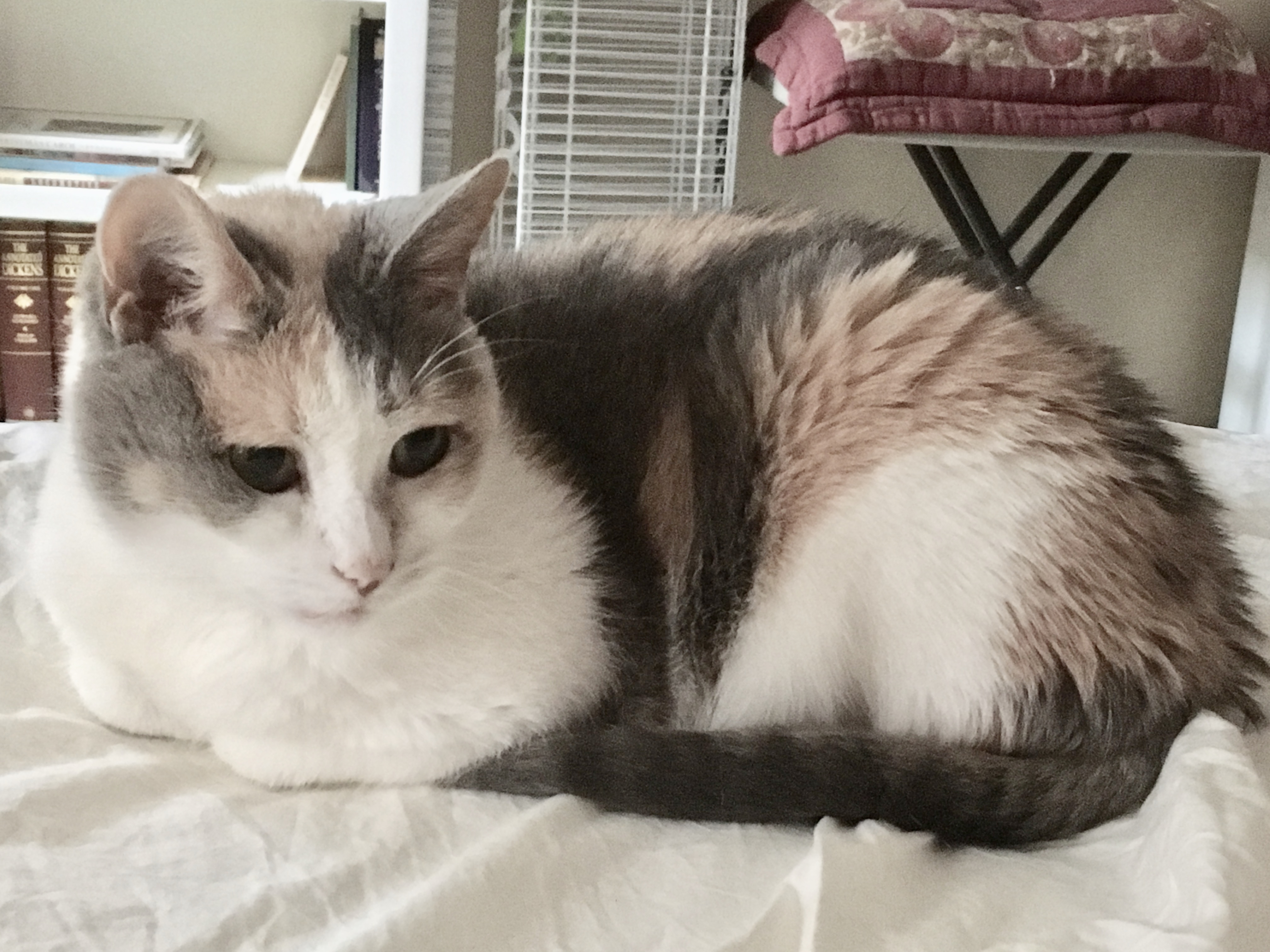
Willow is a shy cat, waiting for someone to adopt her.
Willow, a shy cat

“Remember, the cat may be frightened and the personality you see at the moment may not reflect how the cat will be in a home environment without all the shelter stress. What matters now is whether you feel a connection. Let the cat come to you. Take the time needed for the cat to feel secure enough to come toward you, even just a few steps. “ Wellness Pet Food blog

Advantages

A Shy Cat?

Why adopt a shy cat when you know she might hide for days (or weeks) when you first get her home? Why waste time with a pet who won’t become a lap cat right away? I’m here to tell you, the rewards are beyond anything you might imagine, like:

  • the satisfaction of knowing that you’ve rescued a cat who really needs a champion.
  • the pleasure of giving joy to a creature who otherwise might have lived out a lonely existence in a shelter or on the streets.
  • knowing that, by your persistence, you’ll have earned the trust of a bashful animal.
  • the satisfaction of taking on a challenge that most people would have avoided.

There is nothing like that first time your shy cat climbs on you, starts to purr, eats out of your hand, or runs to greet you when you come into the room. It may not happen right away, but it can happen. It does happen.

Rye, a kitten who was once shy

Just recently, I had a breakthrough with a kitten who came into my home directly after living with her feral mother outdoors.  The little girl, whom I named Rock ’n’ Rye, seemed especially resistant to human contact, but I persisted. I continued to use the techniques that I hope to lay out over the next few weeks on this blog. I  was trying not to despair, even though at one point “Rye” seemed more shy than when I first started.

Then there came that magical moment a few day ago. I cautiously reached out to run my fingers along her back. I’d done this same move before many times, but this time, a light bulb seemed to appear over her head. She arched her back and leaned into my hand. “Oh, I like this,” she seemed to say. “I like this person and I like to have my back scratched!” I felt like I’d saved the world in that moment.

You can, too.

About this blog · Definitions · Random

Shy Cats Defined

There are six cats clearly visible in the image below. Can you guess which ones are shy? (Answer: Of course not. I’ll tell you what I think about who’s shy after I write some stuff.)

A clowder of cats.
Clockwise from upper left: Pauly, Dancer, Tobi, Glory, Ginger, Maris

I define “shy cat” as a cat who wants to engage but is too hesitant or fearful. A shy cat is like the kid at the pool who climbs the ladder to the high dive, but then stands there, shivering, unable to take the plunge.

There are cats who might seem shy at first but they really don’t fit my definition, like feral cats, who tend to be more angry and defiant than shy or afraid. They are like a kid at the pool who refuses to climb the high dive ladder and bites you when you suggest it. 

Then there are some cats who just aren’t into people—they don’t care to engage with us. They might go up to the diving board ladder, then shrug and walk away. Those cats aren’t necessarily going to respond to the tips I’m gathering here on this blog. (They might, though.)

By shy, I mean those cats who wait for the bolder cats to eat first, and who watch while the more extroverted cats interact with the feather toy. They scurry into hiding when a new person enters the room, but come out after a while, too curious to miss what the people are doing. The kid who watches the other kids dive and wishes she had the courage to try it. That, to me, is a shy cat.

In the image above, I would say that only Ginger (bottom right) and Maris (standing) are shy cats. Dancer (upper right) and Glory (above Ginger) aren’t into people much, and the others are all pretty friendly and outgoing. My point is, it’s really hard to judge a cat based on first impressions. Your best bet when adopting a cat is to ask a knowledgeable shelter human about the personalities of each cat. More on that later.

Please comment—would love your feedback!